

From the Garden Route to Kruger – My Honest Experience
Contents
- Arrival & First Impressions
- The Panorama Route & Graskop
- Into the Wild: Private Reserve vs. Kruger
- Learning the Rules of Safari
- Unexpected Wildlife Moments
- A Stay Like No Other: Kruger Shalati
- The South of Kruger
- Tipping in South Africa
- My Final Recommendations
I first fell in love with South Africa back in 2019, during a two-week road trip along the Garden Route. Since then, I’ve planned countless itineraries for my clients, combining the wine regions, Hermanus, Plettenberg Bay, and finishing with a safari near Port Elizabeth.
But this year, I finally had the perfect reason to return: my cousin’s wedding in Wellington, just outside Cape Town. And of course, I couldn’t resist turning it into something more.
This time, my partner, Nico, and I decided to explore the northeast and properly experience a safari in Kruger National Park, given I wanted to see almost EVERYTHING for all my customers.
Arrival & First Impressions
We landed in Johannesburg and picked up our rental car- and I have to say, the process was incredibly smooth. Everything was well organized, efficient, and surprisingly relaxed. What stood out the most was how genuinely friendly everyone was—honestly, much nicer than in many other countries.
A small but important tip: we took a quick video of the car during pickup and checked that everything was there, including the spare wheel. Especially when heading into more remote areas, it just gives you peace of mind.
I had deliberately chosen not to fly directly into Kruger, even though there are convenient regional airports. Instead, I wanted to drive- to see more of the country and, quite honestly, to be able to give better, firsthand advice to my travel agency clients.
And I’m so glad we did.
About two hours into the drive, roughly halfway to Graskop, we stopped at Milly’s Trout Farm. It turned out to be the perfect break—beautiful setting, very good Wi-Fi (which we of course used to catch up on a bit of work), and a really nice, relaxed lunch.
Exactly the kind of stop you want on a longer drive.
And then, of course, the first adjustment: driving on the left-hand side. It takes a moment (especially at roundabouts 😄), but you get used to it quickly.
The Panorama Route & Graskop
Our first stop was Graskop, about 4.5 hours from Johannesburg. The drive already gives you a sense of the landscape, but the real magic starts once you arrive.
Within a short distance, you’ll find God’s Window, the Blyde River Canyon, Bourke’s Luck Potholes, and multiple waterfalls. It’s one of those areas where you constantly stop the car because the views just keep getting better.
We only stayed one night- which, in hindsight, was too short. If you’re already making the journey, give it at least two nights.
That evening, we ended up at The Glass House. Great steak, very generous glasses of wine (really… generous 😄), and a warm, welcoming atmosphere.
Into the Wild: Private Reserve vs. Kruger
The next day, we continued towards our safari lodge in a private reserve within Greater Kruger.
Here, the experience feels more raw and immersive. Guides can drive off-road, which allows for closer encounters with wildlife and a more exclusive atmosphere.
We stayed for two nights and loved it- and yes, here we were very happy to have an SUV.
SUV or Not? (A Question I Get All the Time)
When we later entered Kruger National Park, I was genuinely surprised by how good the roads are- completely tarred and very easy to drive.
So technically, you don’t need an SUV.
But would I still recommend one? Absolutely.
Not because you have to—but because it enhances the experience. You sit higher, you see more, and when animals are close, that extra perspective makes a difference.
Learning the Rules of Safari
One of the most valuable parts of the trip was starting with guided game drives.
You don’t just see animals- you learn how to behave around them.
Simple but crucial things, like:
staying quiet, respecting distance, and knowing how to react in certain situations. For example, if an elephant approaches and seems irritated, you switch off the engine and wait- not something you want to figure out on your own in the moment 😄
These are the kinds of insights that make self-driving in the park later much more relaxed and enjoyable.
Unexpected Wildlife Moments
And then there are the moments you simply cannot plan.
We saw lions, elephants, and zebras quite quickly- but the most special moment came later.
A rhino, completely alone, right next to the road. No other cars. Just us.
We just sat there, watching, almost in disbelief.
That’s safari. You can’t plan it- and that’s exactly why it stays with you.
A Stay Like No Other: Kruger Shalati
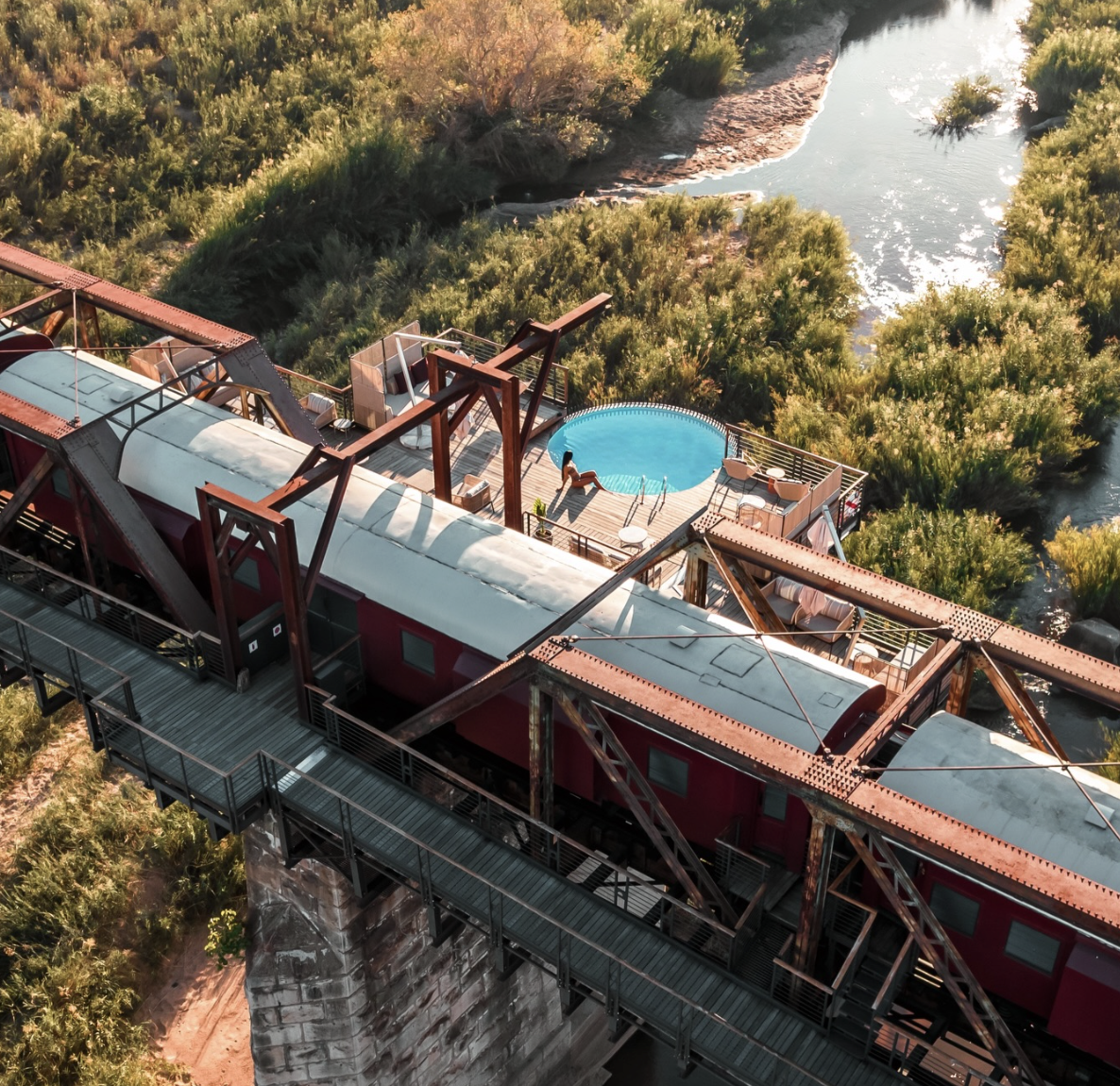
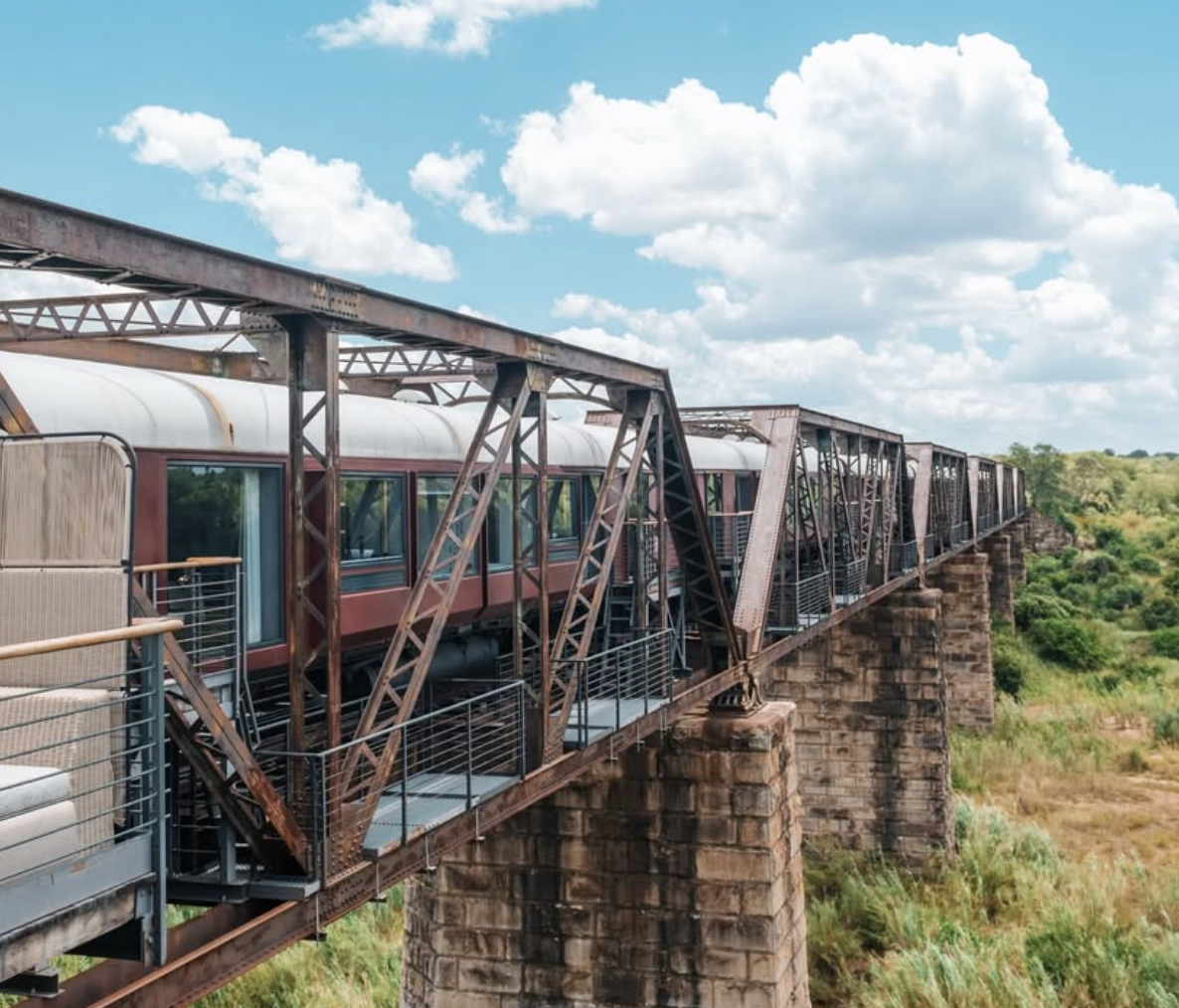
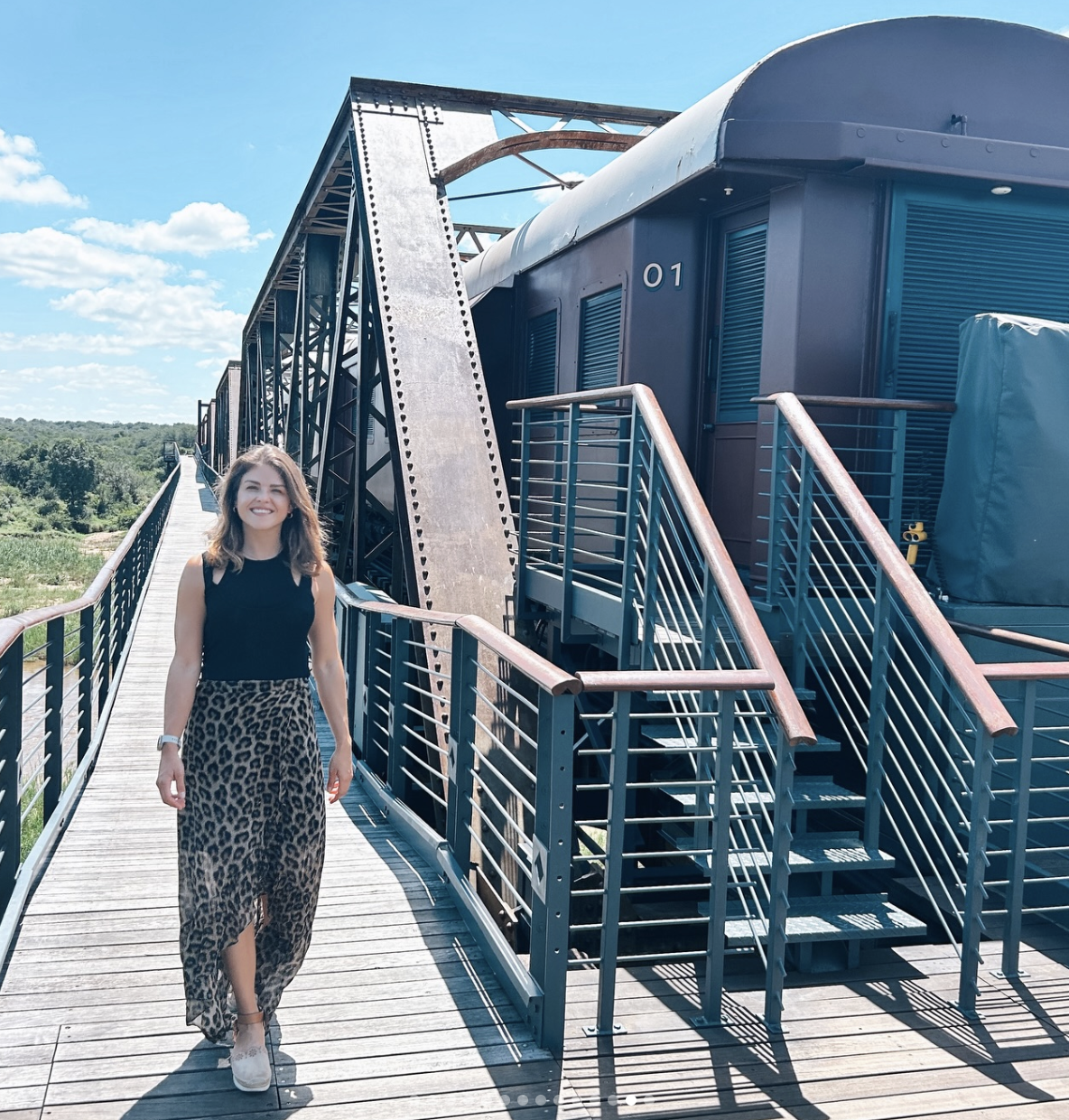
Kruger Shalati had been on my list for a long time- and it truly lived up to it.
A train transformed into a luxury hotel, standing on a bridge over the Sabie River, with only 24 suites.
From our room, we watched hippos moving through the water below, even a baby.
Evenings were spent on the rooftop with a glass of wine, looking out over the landscape and reliving the day.
A very special place- and one I would absolutely recommend.
The South of Kruger
Driving further south towards the Crocodile Bridge area, the landscape changes again.
Greener, more open, and perfect for spotting wildlife.
We stayed just outside the park, right by the river, where hippos became our daily entertainment—sometimes peaceful, sometimes very loud 😄
The perfect ending to the trip.
Tipping in South Africa
Tipping is part of the culture and something I always explain to my clients.
Restaurants: around 10–15%
Safari guides: 200–400 ZAR (≈ 10–20 EUR / 11–22 USD) per couple per day
Trackers: 100–200 ZAR (≈ 5–10 EUR / 6–11 USD) per day
Hotel staff: 50–100 ZAR (≈ 2.5–5 EUR / 3–6 USD) per day
My Final Recommendations
What made this trip so special was the combination.
Private reserve and national park.
Guided drives and self-driving.
Different landscapes along the way.
If you’re planning a trip, I would always recommend mixing these elements and taking your time!
Because South Africa is one of those places that rewards you when you slow down.
If you’re thinking about planning your own trip, feel free to reach out- you know where to find me 😉